
Join SAIL
We take new PhD students every year, including through the UKRI Centre for Doctoral Training in Safe and Trusted AI. Postdoctoral positions are advertised here when available.
AI systems now make decisions where failures are costly, from large-scale deployments in healthcare, aviation and business workflows to private use through conversational agents. We develop the theory, algorithms and tools to find their vulnerabilities, establish formal guarantees on their behaviour, train them to be robust, and monitor them after deployment with a focus on making them explainable.
The lines of research that current members of the lab are developing.
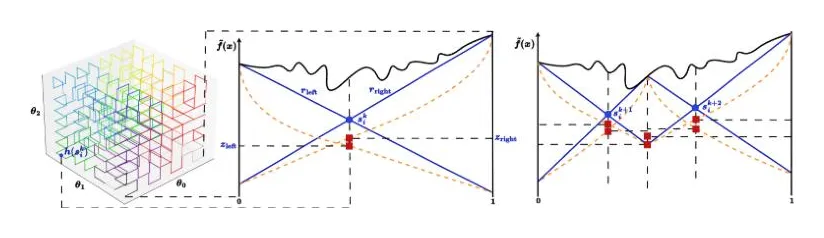 01Robust and verifiable machine learningWe develop methods that verify learned models, from image classifiers and object detectors to tree ensembles, and training methods that make them robust and easier to verify.View area →
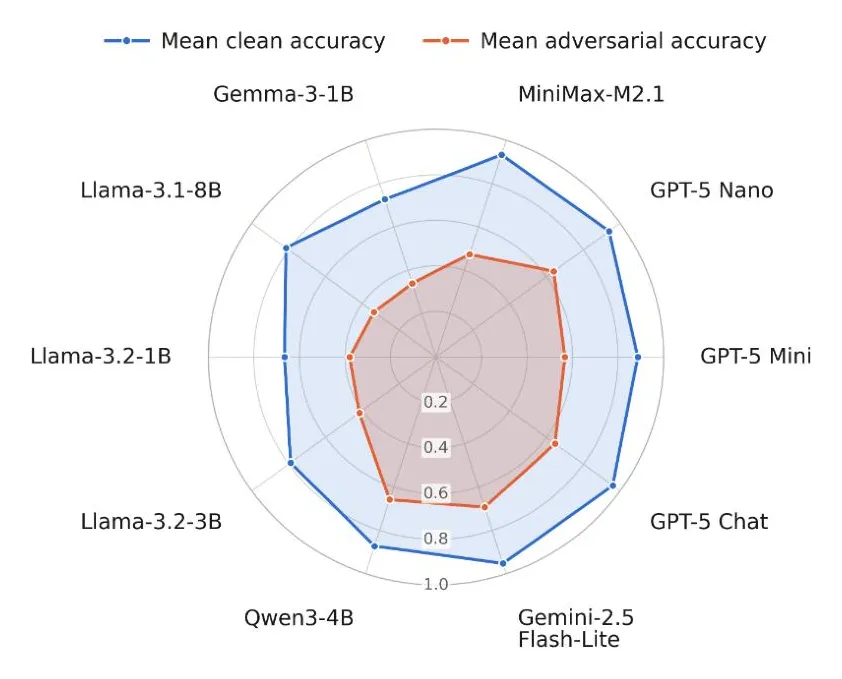 02Foundation modelsWe study the failures of large language, vision-language and vision-language-action models, and what can be guaranteed about their behaviour.View area →
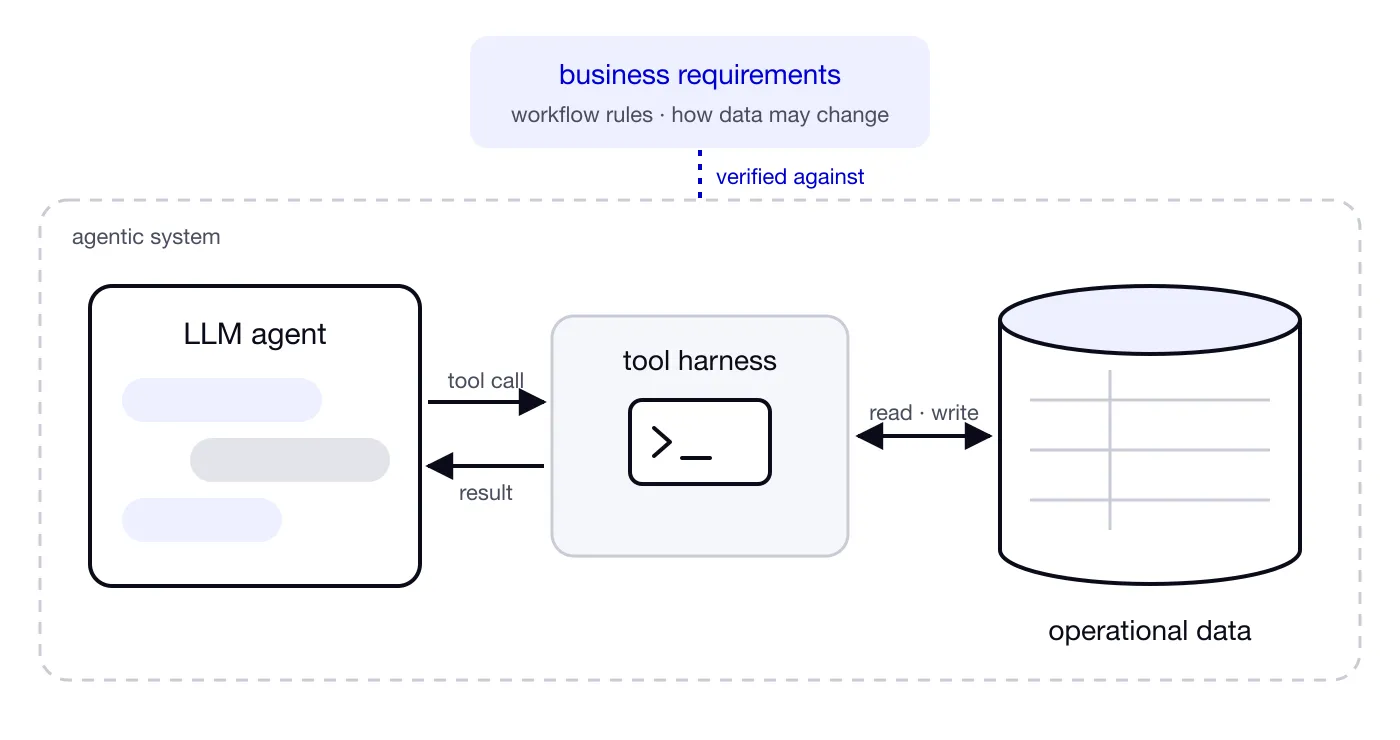 03Agentic systemsWe study the verification of agentic systems, in which a large language model uses tools to act on persistent operational data.View area →
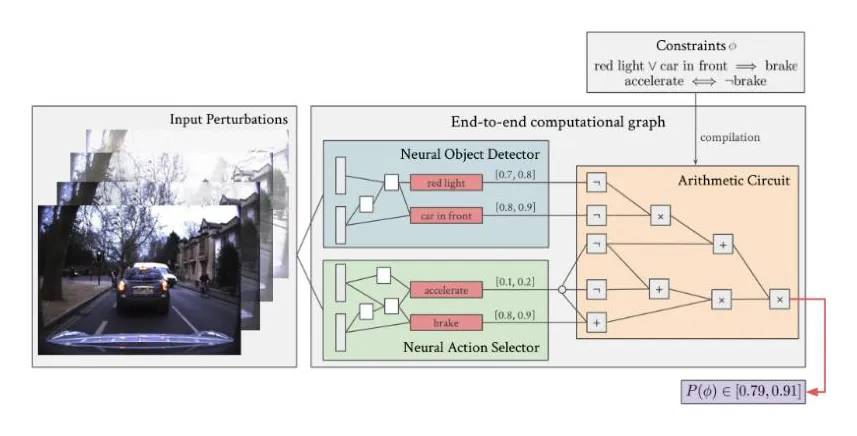 04Neurosymbolic systemsWe verify systems in which neural networks turn raw input into symbols and a symbolic or probabilistic component reasons over them.View area →
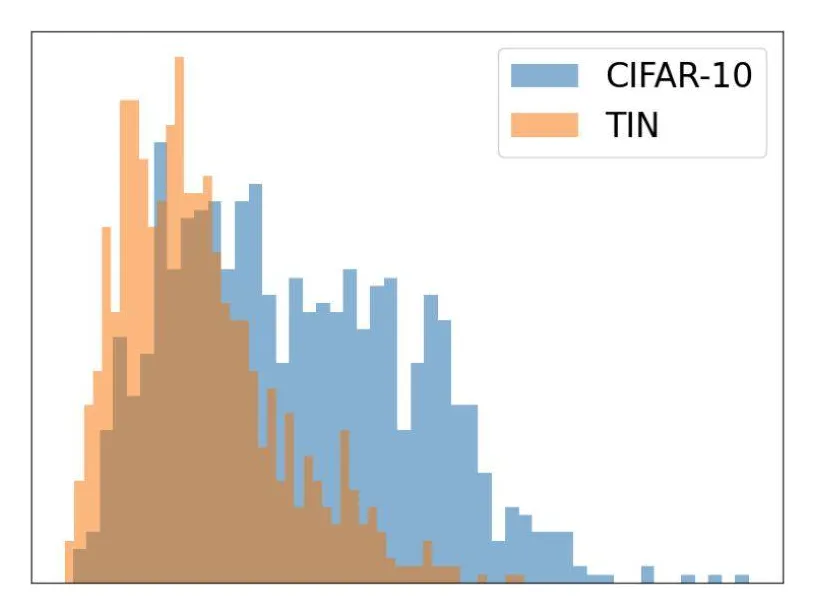 05Monitoring and explainabilityWe study runtime monitoring of machine learning systems, in particular out-of-distribution detection, and explanations whose robustness can be established formally.View area →
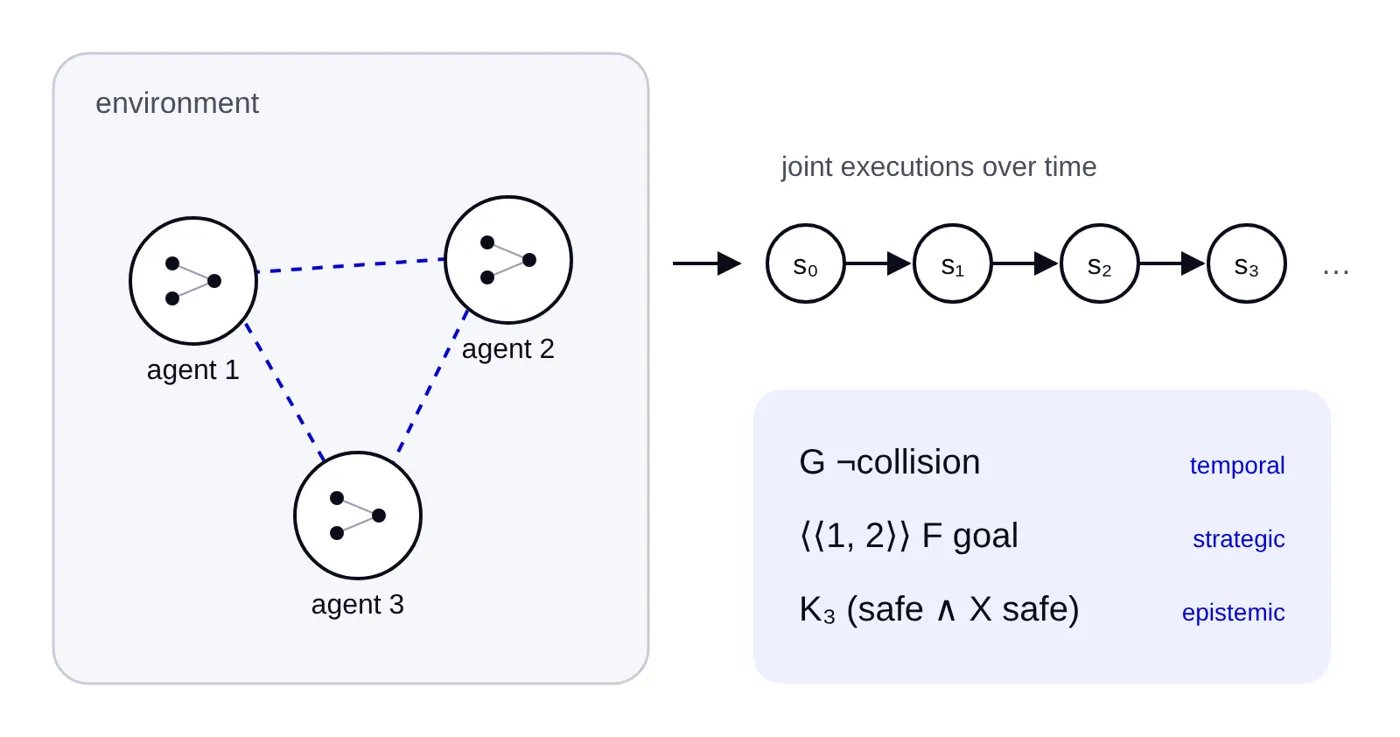 06Multi-agent systemsWe develop logics and model checking techniques for systems of interacting agents, from swarms to agents controlled by neural networks.View area →
We take new PhD students every year, including through the UKRI Centre for Doctoral Training in Safe and Trusted AI. Postdoctoral positions are advertised here when available.